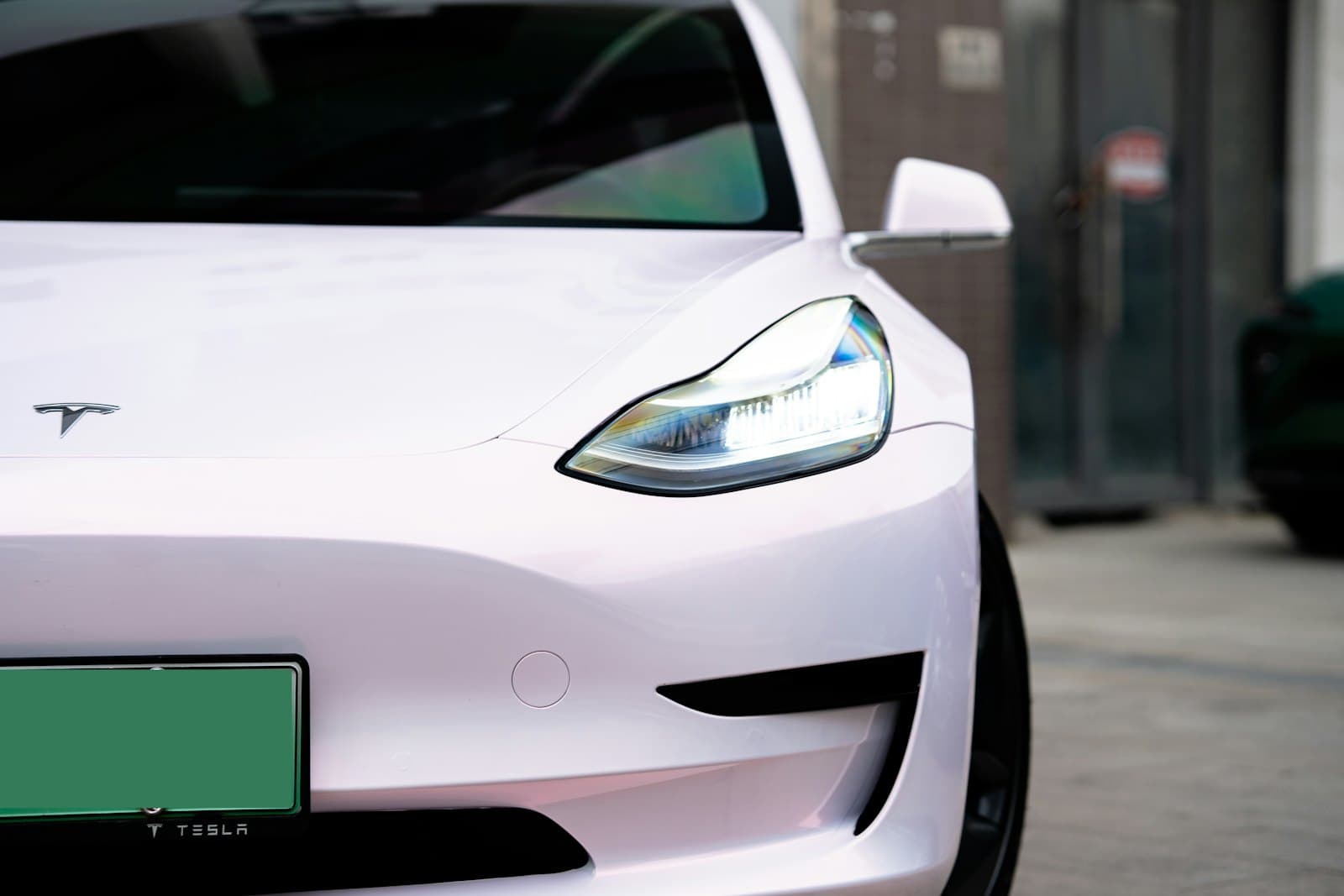
How does electric rideshare compare to Uber and Lyft in Dallas–Fort Worth? We break down cost, comfort, and carbon emissions so you can choose the right ride.
Rideshare has become a default way to get around Dallas–Fort Worth, but the experience varies wildly depending on which app — and which car — shows up. As all-electric options like Vamp expand across the metroplex, a natural question comes up: how does electric rideshare really compare to Uber and Lyft on the things that matter? Here is an honest look at cost, comfort, and carbon.
Cost: upfront pricing vs. surge
Traditional rideshare apps rely heavily on dynamic (surge) pricing. When demand spikes — rush hour, concerts, bad weather, or after a game in Arlington — fares can climb well above the base rate. That unpredictability makes it hard to budget a night out or a commute.
Vamp takes the opposite approach with upfront, no-surge pricing. You see your fare before you confirm, and it does not change based on demand. Across DFW, Vamp fares average up to 30% less than traditional rideshare, and the savings are largest during exactly the high-demand moments when other apps surge.
Comfort: the car makes the ride
With Uber and Lyft, you get whatever vehicle is assigned — which can mean an aging sedan with worn seats. Vamp's fleet is 100% Tesla, so every ride is quiet, smooth, and modern, with clean interiors and a consistent, premium experience whether you are in Downtown Dallas or heading to DFW Airport from Irving.
Carbon: zero tailpipe emissions
This is where electric rideshare separates itself completely. A typical gas-powered rideshare trip emits roughly a pound of CO2 per mile. Multiply that across the millions of rideshare miles driven in DFW every week and the footprint is significant.
Because Vamp runs an all-electric fleet, every ride produces zero tailpipe emissions. For riders who want their everyday choices to align with their values — or companies tracking Scope 3 travel emissions — electric rideshare is a straightforward, measurable win.
Safety and transparency
Vamp adds 24/7 AI safety monitoring with human oversight, live trip sharing, and in-app emergency assistance as standard. Combined with upfront pricing, the result is a ride where you know the cost, the car, and that someone is watching out for you the whole way.
Which should you choose in DFW?
- Choose electric rideshare (Vamp) if you want predictable pricing, a premium Tesla ride, and zero-emission travel.
- Traditional apps may have more cars in ultra-rural areas outside the metroplex.
- Inside the Dallas–Fort Worth metroplex, Vamp covers the cities and destinations most riders actually use.
The takeaway
On cost, Vamp wins with upfront, no-surge pricing. On comfort, an all-Tesla fleet is a clear step up. On carbon, electric rideshare is in a category of its own. If you ride in Dallas–Fort Worth, switching to electric is one of the easiest upgrades you can make.
Keep exploring
More from the Vamp blog
Best Rideshare in Dallas–Fort Worth (2026): Why Riders Are Switching to Vamp
Looking for the best rideshare in Dallas–Fort Worth in 2026? Compare upfront pricing, all-electric Teslas, and AI safety, and see why DFW riders are switching to Vamp.
How to Become a Tesla Rideshare Driver in Texas with Vamp
Want to earn with your Tesla in Texas? Here's how to become a Vamp rideshare driver in the Dallas–Fort Worth area, including requirements and how payouts work.